Why Architects Still Choose Terracotta
Few building materials have remained relevant for as long as terracotta. Used for centuries across cultures and climates, it continues to feature in contemporary architecture not because of tradition alone, but because it offers a rare combination of performance, versatility, and natural beauty.
Once fired at high temperatures, terracotta becomes a strong and durable ceramic material capable of withstanding demanding environmental conditions. Its longevity, combined with relatively low maintenance, has made it a dependable choice for applications ranging from façades and roofing systems to wall cladding and architectural screens.
Yet its enduring appeal extends far beyond technical performance.
A Material That Adds Warmth and Depth
Modern architecture often embraces clean lines, precision, and restrained material palettes. While these qualities create elegant spaces, they can sometimes feel visually uniform. Terracotta introduces a different kind of richness.
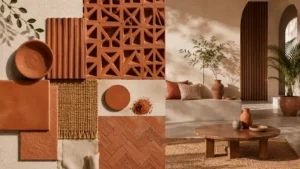
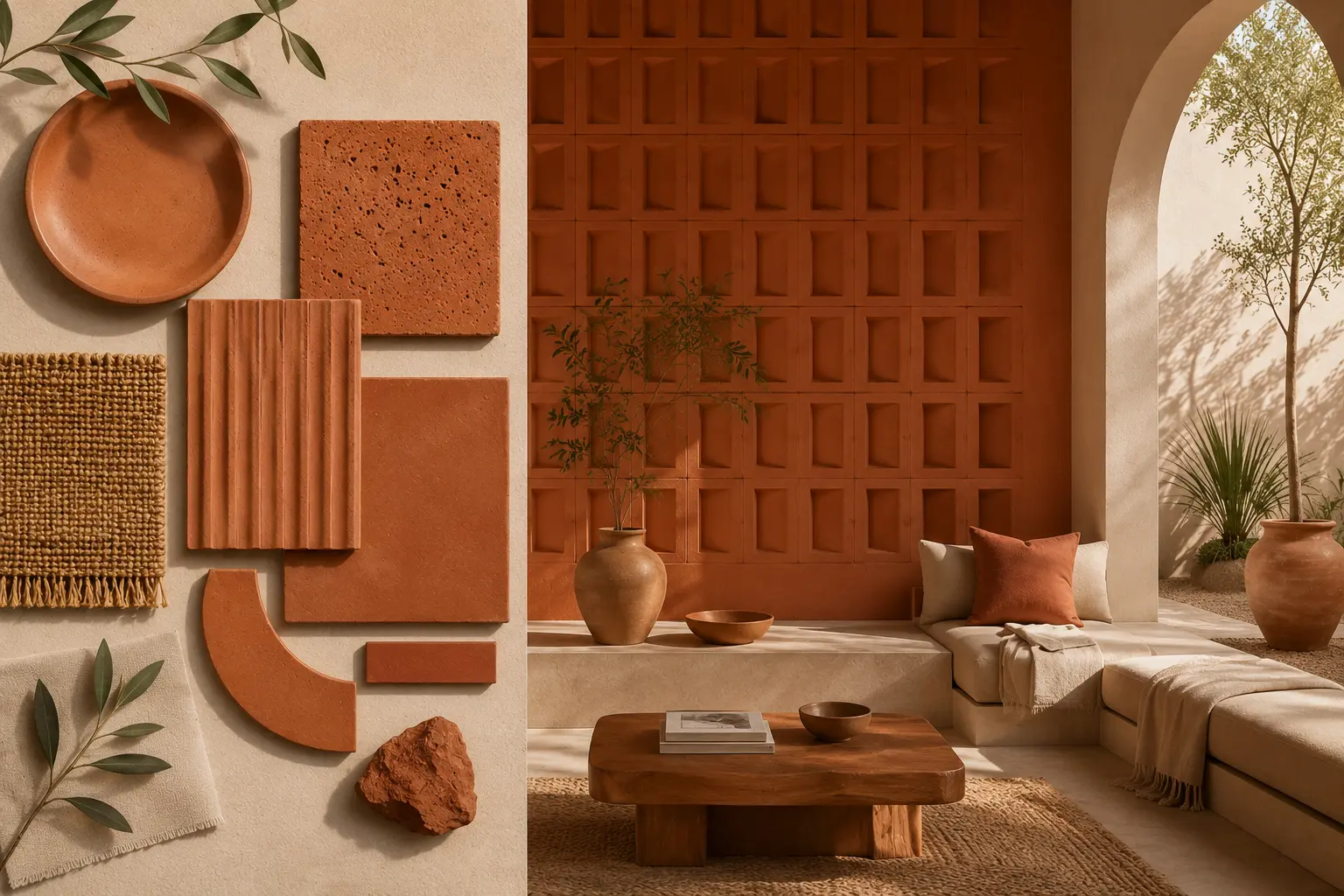
Its natural texture, matte finish, and subtle tonal variations add depth without overwhelming a design. Rather than appearing perfectly manufactured, terracotta carries the quiet imperfections of a material shaped from the earth, creating spaces that feel warmer, more tactile, and more inviting.
This ability to balance refinement with authenticity is one of the reasons architects and interior designers continue to specify terracotta across a wide range of projects.
Designed to Work with Light and Material
One of terracotta’s most distinctive qualities is the way it interacts with natural light. Instead of producing sharp reflections, its surface diffuses light softly, allowing façades and interiors to change subtly throughout the day. This creates a sense of movement and depth that polished materials often cannot achieve.
Terracotta is equally versatile when paired with other architectural materials. Whether combined with timber, natural stone, concrete, lime plaster, or metal, it introduces warmth while allowing each material to retain its own character. This adaptability makes it equally suited to minimalist homes, hospitality spaces, commercial developments, and public buildings.
Tradition Reimagined for Contemporary Architecture
Terracotta is no longer associated solely with traditional architecture. Advances in manufacturing and design have expanded its role within contemporary buildings, where it is increasingly used for ventilated façades, sculptural wall cladding, decorative jali screens, ceiling systems, and bespoke architectural features.
Its natural appearance complements modern design without feeling tied to a particular trend, allowing architects to create buildings that remain relevant long after fashions change.
Why Terracotta Continues to Endure
Perhaps the greatest strength of terracotta is that it feels inherently human. Every piece carries subtle variations in colour and texture, giving buildings a sense of individuality that highly engineered materials often lack.
Because it originates from natural clay, terracotta creates an immediate connection to the landscape from which it comes. The result is architecture that feels grounded, enduring, and authentic—qualities that continue to resonate with architects, designers, developers, and homeowners alike.
In a profession where materials shape not only how buildings perform but also how people experience them, terracotta remains one of the few materials capable of delivering both lasting function and lasting character.
Frequently Asked Questions
Is terracotta suitable for contemporary architecture?
Yes. Modern terracotta systems are widely used in contemporary residential, commercial, and institutional projects, offering both design flexibility and long-term durability.
Can terracotta be combined with other materials?
Absolutely. Terracotta pairs naturally with materials such as timber, stone, concrete, metal, and lime plaster, making it highly adaptable across different architectural styles.
Why is every terracotta surface slightly different?
Terracotta is made from natural clay, and subtle variations in colour and texture occur during the firing process. These differences are considered part of the material’s unique character rather than imperfections.