What is Terracotta?
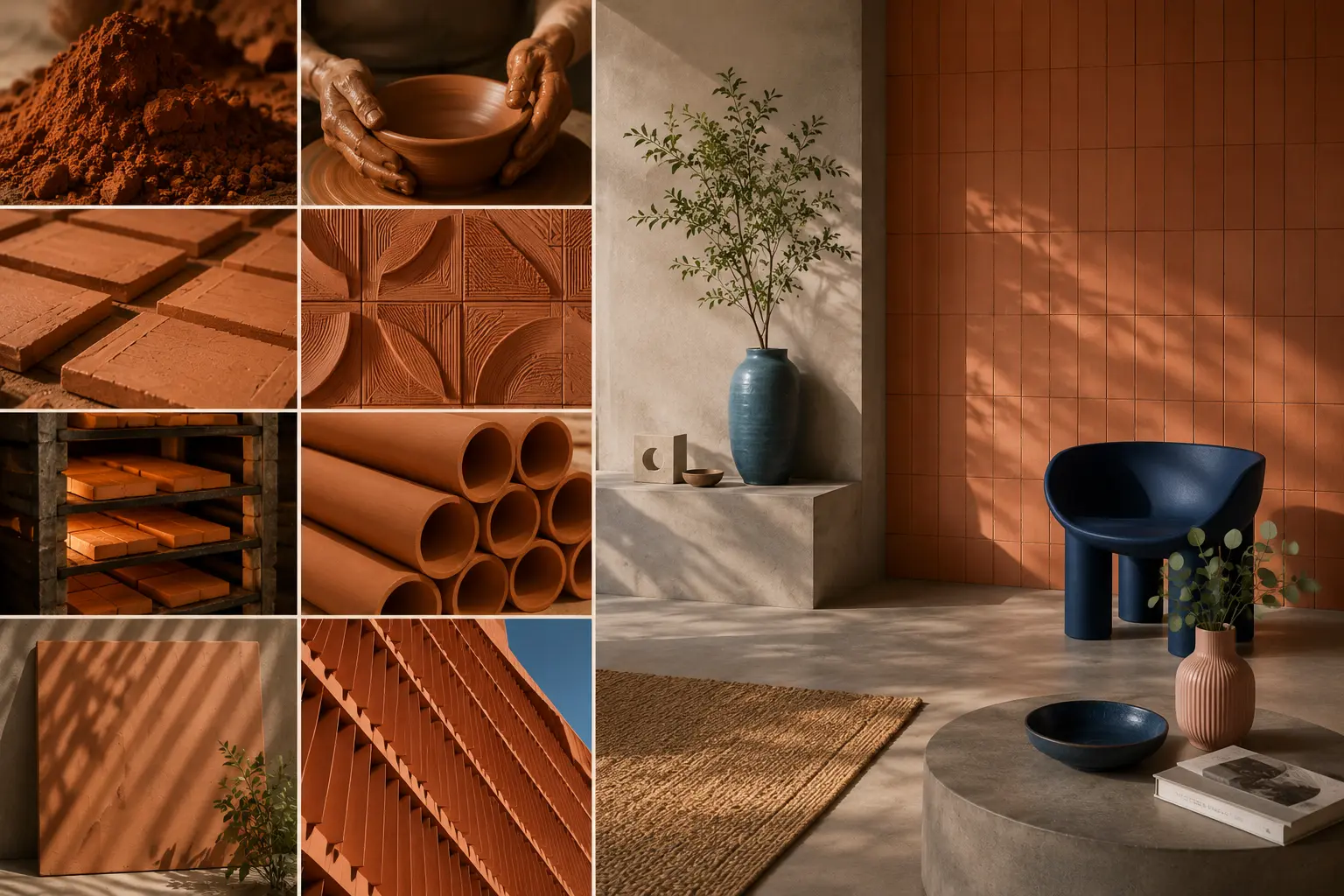
Terracotta is one of the oldest building materials known to humanity, yet it remains one of the most relevant in contemporary architecture. Derived from the Italian phrase meaning “baked earth,” terracotta is made from natural clay that is shaped and fired at high temperatures to create a durable ceramic material. Today, it is used across residential, commercial, hospitality, and public projects for everything from façades and wall cladding to decorative screens and interior finishes.
Its enduring appeal lies in more than its appearance. Terracotta brings together qualities that are often difficult to find in a single material—it is natural yet refined, robust yet tactile, and timeless without feeling dated. For architects, interior designers, developers, and homeowners alike, it offers a balance of performance and character that few materials can match.
A Material with a Rich Architectural Legacy
For thousands of years, terracotta has been used across civilizations as both a structural and decorative material. From roof tiles and temple carvings to façades and sculptural details, its versatility made it an essential part of architecture long before modern construction methods emerged.
In India, terracotta holds a particularly significant place in architectural history. Traditional homes and historic temples demonstrate how fired clay could withstand demanding climates while adding warmth, texture, and craftsmanship to the built environment. Many of these principles continue to influence contemporary architecture today, where there is a growing appreciation for authentic, natural materials.
Why Terracotta Still Matters Today
While modern construction offers an abundance of engineered materials, terracotta has never lost its relevance. Instead, advances in manufacturing have enhanced its precision and durability while preserving the qualities that have always made it distinctive.
Unlike highly processed surfaces that aim for complete uniformity, terracotta embraces subtle variations in colour and texture. These natural characteristics create visual depth, allowing surfaces to respond beautifully to changing light throughout the day. Rather than appearing flat or artificial, terracotta introduces warmth and material richness that make spaces feel more inviting and connected to nature.
Its versatility also allows it to complement a wide range of architectural styles. Whether incorporated into a minimalist residence, a contemporary office building, or a hospitality project, terracotta can quietly support the overall design or become its defining feature.
A Material Designed for Contemporary Architecture
Today’s architectural terracotta is manufactured with far greater consistency than traditional handmade products. Modern production techniques ensure accurate dimensions, reliable strength, and efficient installation while retaining the natural character that makes terracotta unique.
This combination of traditional materiality and modern engineering has expanded its applications considerably. Terracotta is now widely used for ventilated façades, wall cladding, decorative screens, ceiling systems, and interior feature walls, making it one of the most adaptable materials in contemporary architecture.
As sustainability becomes a greater priority within the built environment, terracotta also continues to gain attention for its natural composition, durability, and long service life. These qualities make it an attractive choice for projects seeking materials that combine environmental responsibility with lasting design value.
Timeless by Nature
Design trends come and go, but terracotta has remained relevant for centuries because its appeal is rooted in authenticity rather than fashion. It is a material that ages gracefully, develops character over time, and creates spaces that feel grounded and enduring.
Perhaps that is why terracotta continues to inspire architects and designers around the world. It does more than finish a building—it adds texture, warmth, and a sense of permanence that connects contemporary architecture with one of humanity’s oldest building traditions.
Frequently Asked Questions
Is terracotta suitable for both interiors and exteriors?
Yes. Modern terracotta products are used extensively for exterior façades, wall cladding, decorative screens, ceilings, and interior feature walls.
Is terracotta a sustainable building material?
Terracotta is made primarily from natural clay and is valued for its durability and long lifespan, making it a responsible choice for many architectural projects.
Why do architects continue to choose terracotta?
Architects appreciate terracotta for its timeless aesthetic, natural texture, durability, and ability to complement both traditional and contemporary architecture.